The best neighborhood depends on your routine. Instead of chasing one perfect area, compare how each place supports work, school, shopping, healthcare, and rest.
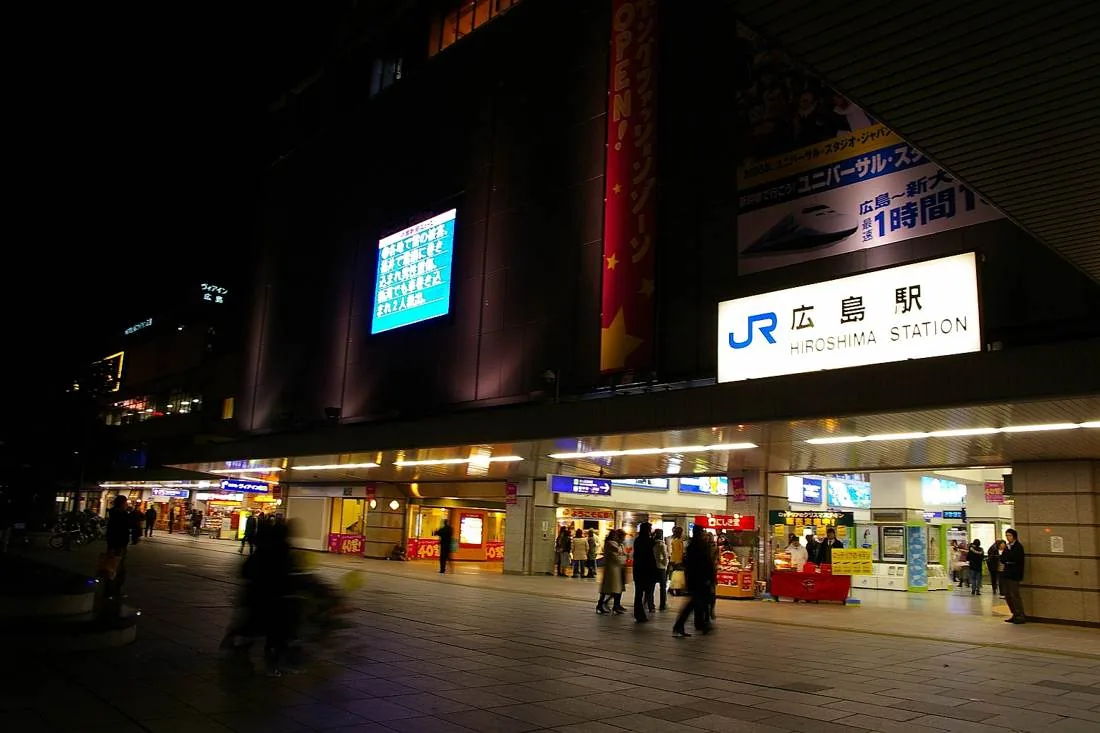
Topic Brief
A good Hiroshima neighborhood is the one that supports your week, not only a place that looks convenient on a map. Compare commute reliability, schools, clinics, supermarkets, public offices, noise, disaster information, and how easy it is to get help.
How To Handle It
- Test commute routes at the same time of day you will actually travel.
- Check access to supermarkets, pharmacies, clinics, banks, ward offices, schools, and childcare options.
- Visit at night, on weekends, and in rainy weather if possible, because the neighborhood can feel different.
- Balance lower rent against transport time, bicycle parking, car parking, and family schedule pressure.
Confirm Before You Act
- Last train or bus times and backup routes for delays.
- Noise from roads, rail lines, nightlife, construction, or riverside events.
- Official hazard, evacuation, and local community information for the area.
Official Starting Points
- Hiroshima City daily life information
- Hiroshima City important paperwork
- Hiroshima City consultation services
Suggested Next Step
Choose two or three candidate areas and compare them with the same checklist instead of relying on one viewing impression.

Last updated: 2026-06-06
Editorial note: This article is prepared from public information and is meant as a planning checklist. Procedures, fees, opening hours, and service terms can change, so confirm current details with official offices, schools, employers, landlords, or providers before acting.
Gallery

Leave a Reply